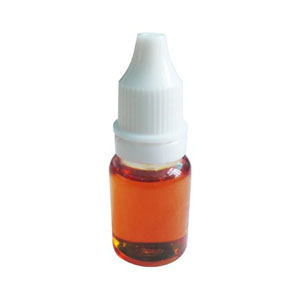
E Juice / E Liquid Explained.
E Juice (also called E Liquid) is the liquid that is filled in the tanks and vaporized. Almost all E Juice today contains a blend of three to four distinct ingredients:
- Vegetable Glycerin
- Propylene Glycol
- Flavoring
- Nicotine (optional)
Vegetable glycerin (or VG) is commonly used as the basis for most E Liquids on the market today. Vegetable glycerins key characteristics is it’s thick viscosity and it’s sweet taste. Vegetable Glycerin is also what gives thick clouds of vapor. VG is an odorless, colorless organic compound acting as a filler in E Liquid. Vegetable glycerin is commonly used in higher ratios when more vapor production is desired. Commonly VG / PG blends are used in 50-50 to 80-20 ratios.
VG is an organic compound of carbon, hydrogen, and oxygen. It is commonly produced from vegetable oil as an all natural additive in countless food and medical applications. It’s commonly used for it’s sweetness while containing significantly less calories than the equivalent amount of sugar. VG is not an active contributor to tooth decay and is metabolized slower by our bodies than most common sugars. Some of its other common applications include shampoo, lotions (as well as a further wide variety of body care products), pharmaceutical applications, as well as industrial applications. Vegetable glycerin is added to many products for its role as a humectant – a product that attracts moisture to the skin. Often high VG blend liquids are used to keep your mouth and throat free of irritation and soreness. Oftentimes users will notice that their nose will start running when they begin to vape – this is in part due to the vegetable glycerin in their liquids.
Propylene glycol (or PG) is often used in equal or lower parts in addition to Vegetable Glycerin. Propylene Glycol is known to provide users a “throat hit” or scratching sensation in the throat that many users trying to quit smoking are looking for. The viscosity of Propylene glycol is thin and water-like. Propylene glycol (PG) is often used in conjunction with VG to dilute and thin E Liquid for use with smaller tanks whose coils are unable to handle thicker juice blends. PG is used in many products for it’s ability to retain water, and is perhaps most fameous for it’s common use in atomized medication. It has been used in asthma inhalers since the 1950’s and there are numerous scientific studies proving it’s positive effects when inhaled.
Flavoring There are countless types of flavorings used in E Liquid today, allowing users to either create their own unique blend, or buy one of countless premade blends. This allows you to have one of a virtually unlimited amount of custom E liquid flavor blends.
Nicotine in and of itself is the primary reason most people vape – seeking a healthier alternative to actively smoking cigarettes to satisfy their nicotine craving. E Liquid today is available in many nicotine strengths, commonly ranging from 0mg (without nicotine) to 24mg (very high). Due to the new high power devices we have available to us today, most commonly we see e liquid being sold in 0,3, or 6mg strengths.
E liquid is typically sold in sizes ranging from 10ml to 180ml bottles, whereas the average daily user may consume around 10-60ml of e liquid per week. Due to the new TPD2 regulation in Europe, e liquid will no longer be allowed to be sold in sizes over 10ml as of May 2017. This presents a problem for most users who prefer to purchase their liquids in larger quantities.
Leave a Reply